

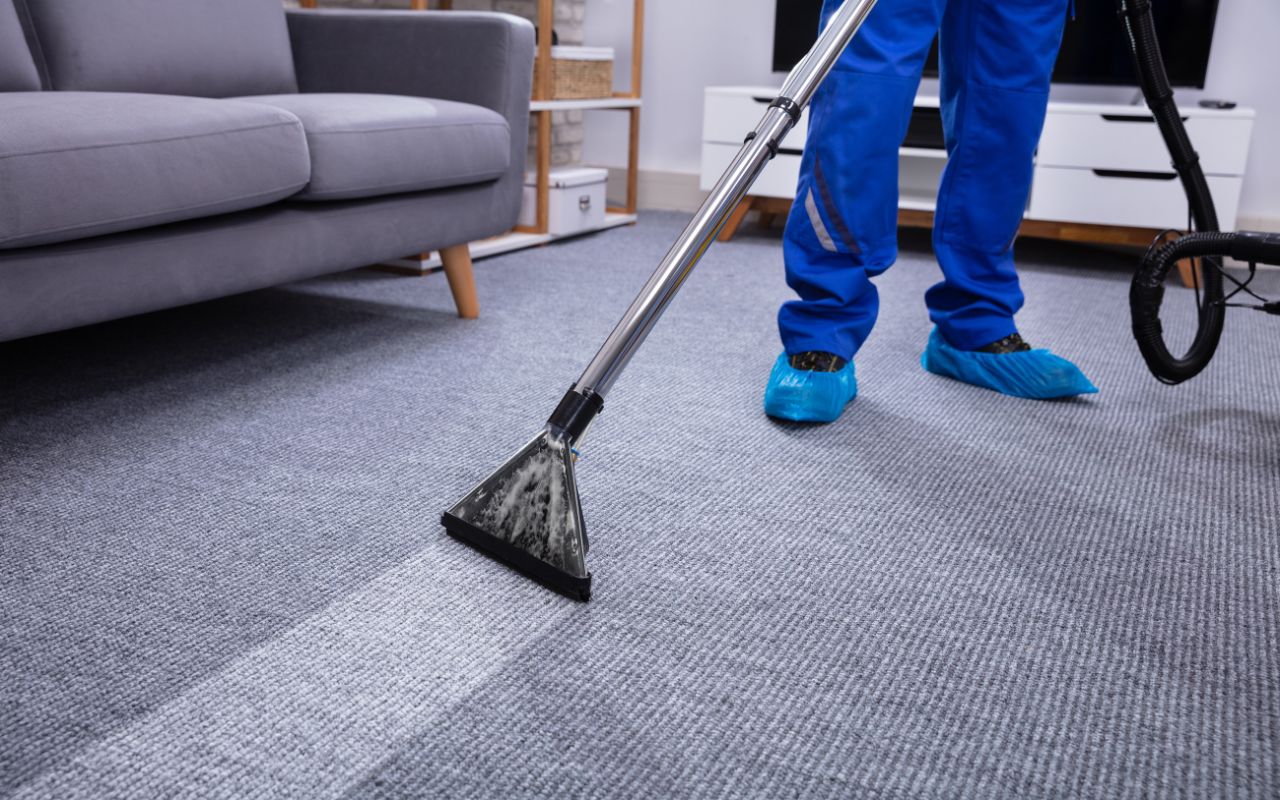
Choosing a carpet cleaning method can be confusing because companies often use different names for similar processes. Some promote steam cleaning, while others recommend shampooing, encapsulation, bonnet cleaning, or a dry compound. Each method has a purpose, but they do not provide the same depth of cleaning or suit every carpet.
For most households, the best carpet cleaning method Sterling VA homeowners can choose is professional hot water extraction. It loosens embedded soil with heated water and a suitable cleaning solution, then removes the used moisture, soil, and residue through powerful extraction.
That does not mean one process belongs in every room. Fiber type, carpet construction, soil level, stains, pets, drying conditions, and manufacturer guidance should shape the decision. This guide explains the main options and how we select an appropriate method at GO 2 Steam.
Hot water extraction is usually the strongest choice for thorough residential carpet cleaning. People often call it steam carpet cleaning, although the process relies on heated water, cleaning products, and extraction rather than steam alone. It reaches beyond loose surface debris and removes soil that has been released from the carpet fibers.
The method works well in bedrooms, family rooms, hallways, stairs, and other areas where vacuuming is no longer enough. A trained technician can adjust the solution, temperature, pressure, agitation, and extraction passes based on the carpet and its condition.
The answer may change when a carpet is sensitive to moisture, needs very fast drying, or only requires an interim maintenance clean. Encapsulation or another low-moisture process may then be more appropriate. The best decision follows an inspection instead of a fixed recommendation made before the carpet has been seen.
.jpg)
Hot water extraction begins with an inspection. We identify the carpet type, review traffic lanes and spots, and ask about pets, spills, previous products, and other concerns. Dry soil removal and targeted pretreatment may follow when the carpet needs them.
Professional equipment then delivers heated water and an appropriate solution into the carpet pile. This step helps release oily residue and soil attached to the fibers. A strong vacuum immediately recovers the used solution along with the suspended material, leaving much less moisture behind than weak extraction would.
Technique matters throughout the process. Excess water, unsuitable pressure, or poor recovery can extend drying time and create avoidable problems. Controlled passes and proper airflow help the carpet dry more efficiently. Hot water extraction is not simply spraying water and vacuuming it up. It is a planned process in which inspection, chemistry, agitation, rinsing, recovery, and drying all affect the final result.
The main advantage of hot water extraction is that it removes loosened soil instead of only improving the surface appearance. Proper rinsing and recovery can address general buildup, traffic lanes, many common spots, and suitable residues left by earlier home treatments.
The process is also flexible. A technician can adjust the products and procedure for the carpet rather than using one mixture in every room. Busy entryways may need more preparation, while a lightly used bedroom may require a gentler approach. Additional vacuum passes can improve moisture recovery where the carpet is dense.
Many manufacturers include cleaning instructions within their warranty terms, so homeowners should review those documents before service. The Carpet and Rug Institute recommends professional deep cleaning every 12 to 18 months and advises consumers to check their warranty. Good equipment helps, but inspection, technician judgment, product choice, and controlled drying remain equally important.
Low-moisture carpet cleaning can be useful when fast drying is a priority or the carpet needs routine maintenance rather than a restorative clean. Encapsulation is one common option. A cleaning product surrounds loosened soil as it dries, and routine vacuuming removes the resulting material from the carpet.
This process works well in offices, occupied properties, and rooms that must return to use quickly. It may also suit certain carpets after the technician reviews the fiber, condition, and manufacturer guidance. Limited moisture can reduce disruption and shorten drying.
Encapsulation can improve appearance and manage ordinary soil, but it may not be the right answer for heavily soiled residential carpet, deep spills, or contamination below the face fibers. In some homes, hot water extraction provides the main deep cleaning while low-moisture care supports maintenance between visits. The cleaning goal should determine the method, not drying speed alone.
Traditional carpet shampooing applies a foaming detergent that is worked into the pile, often with a rotary machine. The action can loosen visible soil and improve appearance, but the process may leave detergent behind when rinsing and recovery are limited. Remaining residue can make fibers feel stiff or encourage the carpet to soil again more quickly.
Modern products and equipment have improved, so shampooing does not always describe one procedure. Ask what product will be applied, how it will be agitated, and how loosened soil and detergent will be removed. A pleasant scent or heavy foam does not prove the carpet was rinsed thoroughly.
For most Sterling homes needing deeper cleaning, we usually favor controlled hot water extraction over old-style shampooing. The final choice should still reflect the carpet fiber, construction, soil level, stain history, and care instructions rather than relying only on the name of the method.
Dry compound cleaning uses absorbent material worked into the fibers. It attracts some soil and is later removed by vacuuming. The method uses little moisture and may suit carpet that cannot tolerate much water or areas needing limited disruption.
Bonnet cleaning uses a rotating pad to clean the upper part of the carpet. It is more common in commercial appearance maintenance because it can refresh a visible surface quickly. It usually does not provide the same deep rinsing and soil recovery as hot water extraction.
Neither method is automatically poor. They simply solve different maintenance problems. Dry compound or bonnet cleaning may suit a particular carpet, setting, or short-term goal. However, neither is normally our first recommendation for a family carpet with embedded soil, recurring spots, or heavily used traffic lanes. An inspection helps determine whether surface maintenance is enough or deeper extraction is justified.
Carpet is not one uniform material. Nylon, polyester, olefin, wool, and blended fibers can respond differently to heat, moisture, cleaning agents, and agitation. Construction also matters because cut pile, loop pile, and dense carpet may hold soil differently and can require different handling.
Before cleaning, a technician should check the fiber, seams, backing, color stability, wear patterns, and previous treatments. Testing a product in an inconspicuous place may be appropriate when the material or dye stability is uncertain. Manufacturer instructions should be considered before the equipment is prepared.
The carpet's age and physical condition also affect expectations. Cleaning can remove suitable soil, but it cannot rebuild crushed fibers, repair loose seams, or reverse permanent traffic wear. Some marks are stains, while others are color loss or damage. An honest assessment helps distinguish a cleaning issue from a condition that will remain after service and prevents unrealistic promises before work begins.
.jpg)
Sterling family homes often combine busy entrances, children, pets, food spills, and soil carried in from outside. Hot water extraction usually suits this type of whole-room cleaning because it allows pretreatment, agitation when needed, rinsing, and recovery within one professional process.
Pet urine deserves closer inspection. Liquid can travel through the face fibers and reach the backing, pad, or subfloor. Standard carpet cleaning may improve the surface without fully treating a source below it. Targeted treatment, pad work, or another corrective step may be needed when accidents are old or repeated.
Fresh spills should be blotted with a clean white towel rather than scrubbed. Scrubbing can spread the substance or distort the carpet. Avoid pouring large amounts of store-bought cleaner into a spot because excess product may be difficult to rinse. Tell the technician what happened and which products were used so the area can be assessed more accurately.
Cleaning is not complete simply because the equipment has left the room. Air movement, indoor humidity, outdoor weather, carpet density, room temperature, and the amount of moisture used can all influence how quickly the carpet dries.
The U.S. Environmental Protection Agency advises using care to prevent excess moisture and cleaning residue while ensuring cleaned carpet dries quickly. Its guidance addresses school environments, but the moisture-control principle is also useful in residential carpet care.
After service, follow the technician's instructions. Fans, air conditioning, dehumidification, or safe ventilation may support drying when conditions allow. Limit foot traffic until the carpet is dry, and keep pets away from treated rooms during that period. Wood or metal furniture should not sit directly on damp fibers unless protective tabs or blocks are used. A professional should provide a realistic estimate rather than promise one drying time for every home.
.jpg)
A dependable carpet cleaning service should include more than a quick machine pass. At GO 2 Steam, we begin by examining the carpet and discussing the homeowner's concerns. This allows us to identify traffic patterns, spots, fiber concerns, pet areas, and anything that may require special attention.
The service may include dry soil removal, pretreatment, spot treatment, controlled agitation, hot water extraction, additional recovery passes, and a final inspection. Not every carpet requires every step, so the process should be adjusted instead of performed mechanically. The cleaning products and moisture level should suit the material and the work being completed.
Homeowners should receive clear information about likely results, drying expectations, pricing, furniture preparation, and areas that may not fully improve. Learn more about our professional carpet cleaning service and how we approach residential carpet care throughout Northern Virginia.
Ask how the company chooses a cleaning method and whether the technician will inspect the carpet before beginning. A provider should be able to explain why its recommended process suits the fiber, construction, condition, and soil level rather than giving the same answer for every home.
It is also helpful to ask what the quote includes, how spots are treated, whether furniture moving costs extra, and what drying time is expected. Discuss pet accidents, unusual spills, delicate fibers, and products already applied before the appointment. These details help the technician prepare and set reasonable expectations.
Be cautious with guarantees that every stain will disappear or that one method is perfect for all carpet. Professional cleaning can deliver a major improvement, but wear, permanent color loss, dye transfer, and damaged fibers are not removable soil. Clear answers are usually better than dramatic promises without an inspection.
.jpg)
Vacuum regularly with a machine suited to your carpet. Slow, overlapping passes give the vacuum more time to collect dry soil before it settles deeper into the pile. Busy halls, stairs, and family rooms may need attention several times a week, while quiet rooms may need less.
Place clean mats at exterior entrances and deal with spills promptly. Use only a small amount of a carpet-safe spot product, test it in a hidden area, and blot rather than scrub. If a mark returns, stop adding more cleaner and ask a professional to inspect it. Reappearing spots can involve residue or material below the surface.
Plan deep cleaning according to household use, not appearance alone. Carpet can hold soil before it looks dirty. Pets, children, visitors, outdoor activity, and busy entryways may justify a shorter schedule. Keep service records when your carpet warranty includes professional maintenance requirements.
Hot water extraction is suitable for many residential carpets when the fiber is identified and the process is controlled. Manufacturer instructions should guide the final choice.
Hot water extraction is usually better for deep cleaning because it rinses and recovers loosened soil. Shampooing may leave residue when detergent is not removed thoroughly.
Low-moisture processes usually dry faster. Actual drying time depends on carpet density, humidity, airflow, temperature, moisture use, and technician technique.
No. Results depend on the substance, fiber, age, previous treatments, and whether permanent color or fiber damage has occurred.
The Carpet and Rug Institute recommends deep cleaning every 12 to 18 months, subject to warranty requirements. Pets, children, traffic, or spills may justify earlier service.
For most Sterling homes, professional hot water extraction provides the best balance of deep cleaning, rinsing, and soil recovery. It is especially useful in family rooms, bedrooms, hallways, stairs, and other areas where embedded soil has accumulated beyond what routine vacuuming can remove.
Low-moisture cleaning still has an important role. It can support fast-drying maintenance, occupied spaces, and carpets with particular care needs. Shampooing, dry compound cleaning, and bonnet cleaning may also serve specific purposes, but they should not be selected only because they sound convenient.
The right choice follows an inspection of the fiber, construction, condition, spots, and household concerns. GO 2 Steam provides professional carpet cleaning in Sterling and nearby Northern Virginia communities. Contact our team to discuss your carpet, compare appropriate methods, and request a customized quote based on the work your home actually needs.
.png)